
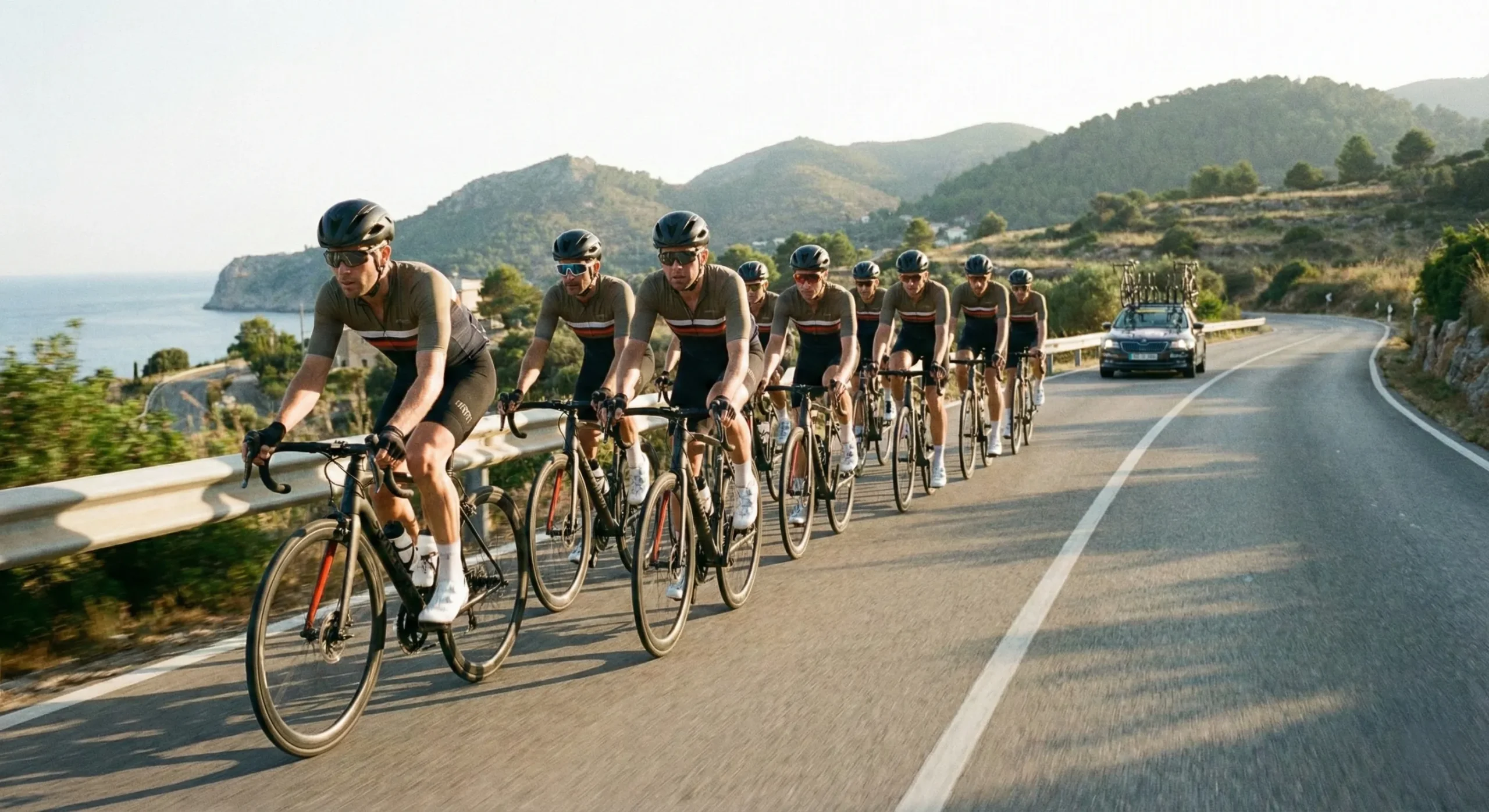
If you’re a cyclist, triathlete or runner looking for a block to build volume, sharpen or reset in reliable weather, Benidorm and the Costa Blanca often show up for a simple reason: high-quality training hours thanks to the environment (climate, terrain variety and easy logistics).
This article doesn’t replace your coach’s plan, but it gives a practical framework: what makes sense for a training camp in Benidorm, how to structure the week beyond “just stacking miles”, and how to integrate recovery so you finish the block stronger (not more broken).
Want a ready-made package (1–2 pax)? Browse the experiences and pick what matches your goal (performance, getting in shape, or recovery focus).
Recommended experiences (1–2 pax)
- High-Performance Sports Experience (Standard)
- High-Performance Sports Experience (Premium)
- Get in Shape Experience (Standard)
- Get in Shape Experience (Premium)
- Physiotherapy & Recovery Experience (Standard)
- Physiotherapy & Recovery Experience (Premium)
Why Benidorm works as a training base
It’s not magic — it’s consistency + conditions. A good camp depends on repeating quality days without friction.
- Weather: many days per year make outdoor riding/running straightforward (fewer weather excuses than in colder regions).
- Terrain variety: from coastal flats to climbs within a short ride (great for mixing endurance, tempo and intervals).
- Logistics: reasonable travel connections, stable accommodation and simple routines (critical when training long hours).
- Open water (triathlon): the coast adds options for technique and volume work depending on season and plan.
To reinforce the geography angle, see our location page.
Cycling camps: how to think about the week (beyond the distance number)
A common mistake is measuring only kilometres. What matters is stimulus quality and recovery between hard days.
- Day 1–2: easy rides + skills + travel/bike/position adaptation.
- Day 3–4: key blocks (intervals, long tempo rides, or progressive climbs).
- Day 5: moderate volume or technical work (goal-dependent).
- Day 6: a final “big day” only if your body is responding; otherwise keep it easy.
- Day 7: short spin or active recovery.
If you’re a small group (2–3), align one shared hard day and still allow individual load management. For bike logistics, our Bike Area may fit your plan.
Triathlon: sequencing and transitions (what breaks first on camp)
Triathlon camps often fail due to bad sequencing: big bike + tired running, or poorly dosed swimming.
- Separate heavy days (e.g. hard bike) from quality run days.
- Swimming often fits well as a second session if it’s technical or controlled volume.
- Watch accidental double hard days: long ride + unplanned brick.
Running: impact, surface and progression
For running camps, be mindful of surface and elevation. Build volume over 2–3 days before the long run day.
- Mix road, smoother paths and (if available) stable trails.
- If you’re coming from cold weather or low volume, heat and new terrain add fatigue: ease in for the first two days.
Where Kenkatsu fits (without turning the camp into “wellness tourism”)
A serious camp doesn’t need a spa — but it does need real rest and, when your plan calls for it, recovery tools that help you sustain load.
At Kenkatsu Benidorm you can integrate, intentionally and subject to availability:
- Hypoxia as a complement when the plan targets controlled stimulus (not a substitute for sleep).
- Recovery technology (e.g. cryotherapy or oxygen therapy) at specific high-fatigue moments.
- Physiotherapy for unloading, prevention and mechanics when volume rises.
For a deeper recovery framework, read our guide on sports recovery in Benidorm (replace with your actual English post URL).
Quick checklist before booking dates
- Camp objective: base, sharpening, return to load or active recovery.
- Current fitness and typical weekly “floor” (avoid doubling volume overnight).
- Equipment (bike, shoes, accessories) and a plan B for wind/bad weather.
- Peak season: book stable accommodation early.
FAQ
What’s the minimum length that makes sense?
Usually 5–7 useful days (plus travel). Shorter can work, but the “block effect” often shows up with 3–4 consecutive well-structured training days.
Should I combine a camp with hypoxia?
It can work with a plan and real rest. Hypoxia adds stimulus — poorly dosed, it stacks fatigue on top of road volume.
Is Benidorm only for cycling?
No. It’s a strong base for multi-sport and running, especially if you prioritise consistency and logistics.
How is this different from a team/club camp?
Team camps often add group coordination, logistics and collective goals. This article focuses on the individual athlete (or a small training pair/group) managing personal load.
Conclusion: a camp is load management (not only miles)
A great training camp in Benidorm shows up in one outcome: when you’re home, you train better the following weeks, not worse.
Tell us your sport, approximate dates and goal — we’ll help you choose the right approach and experience.
Contact us